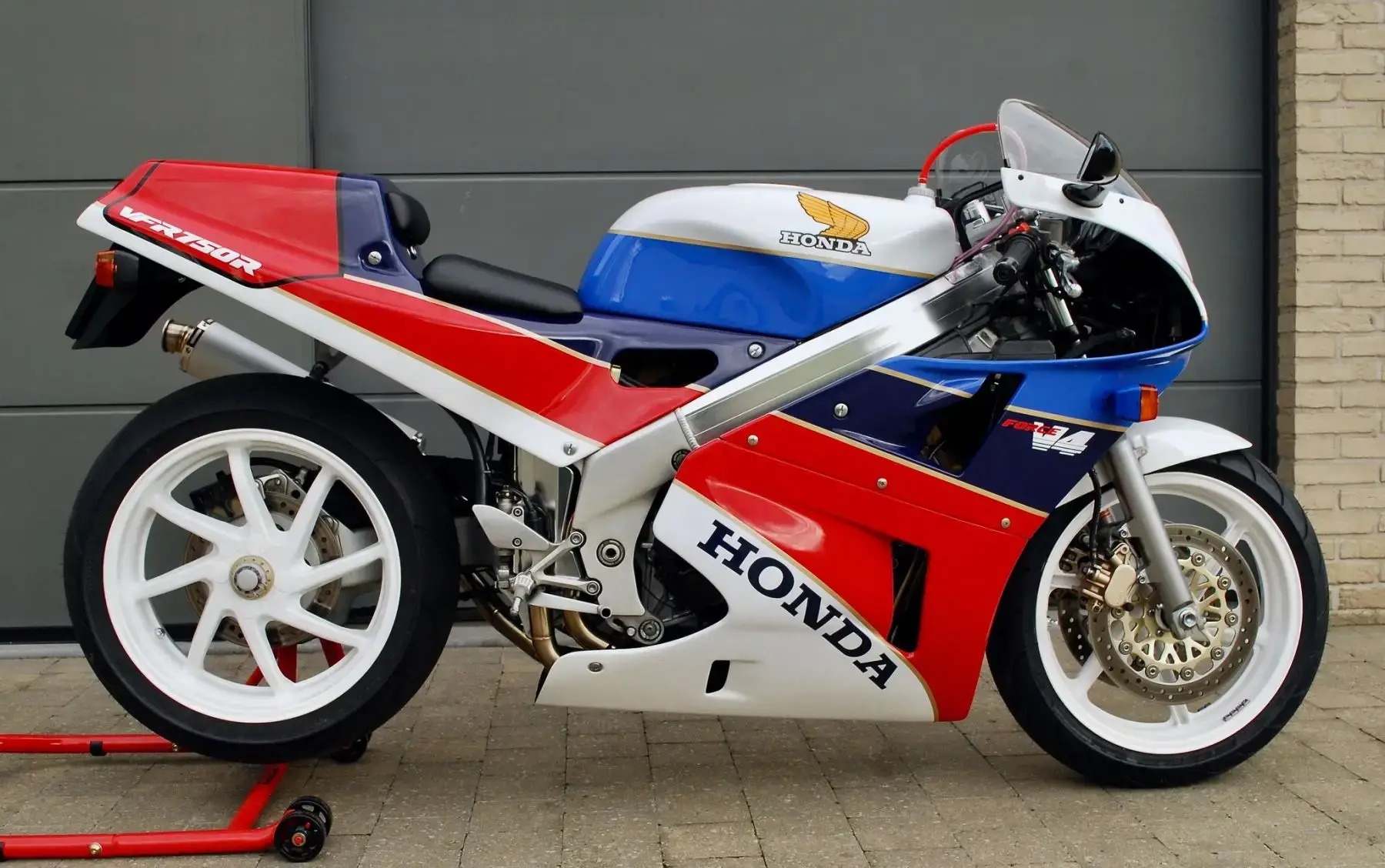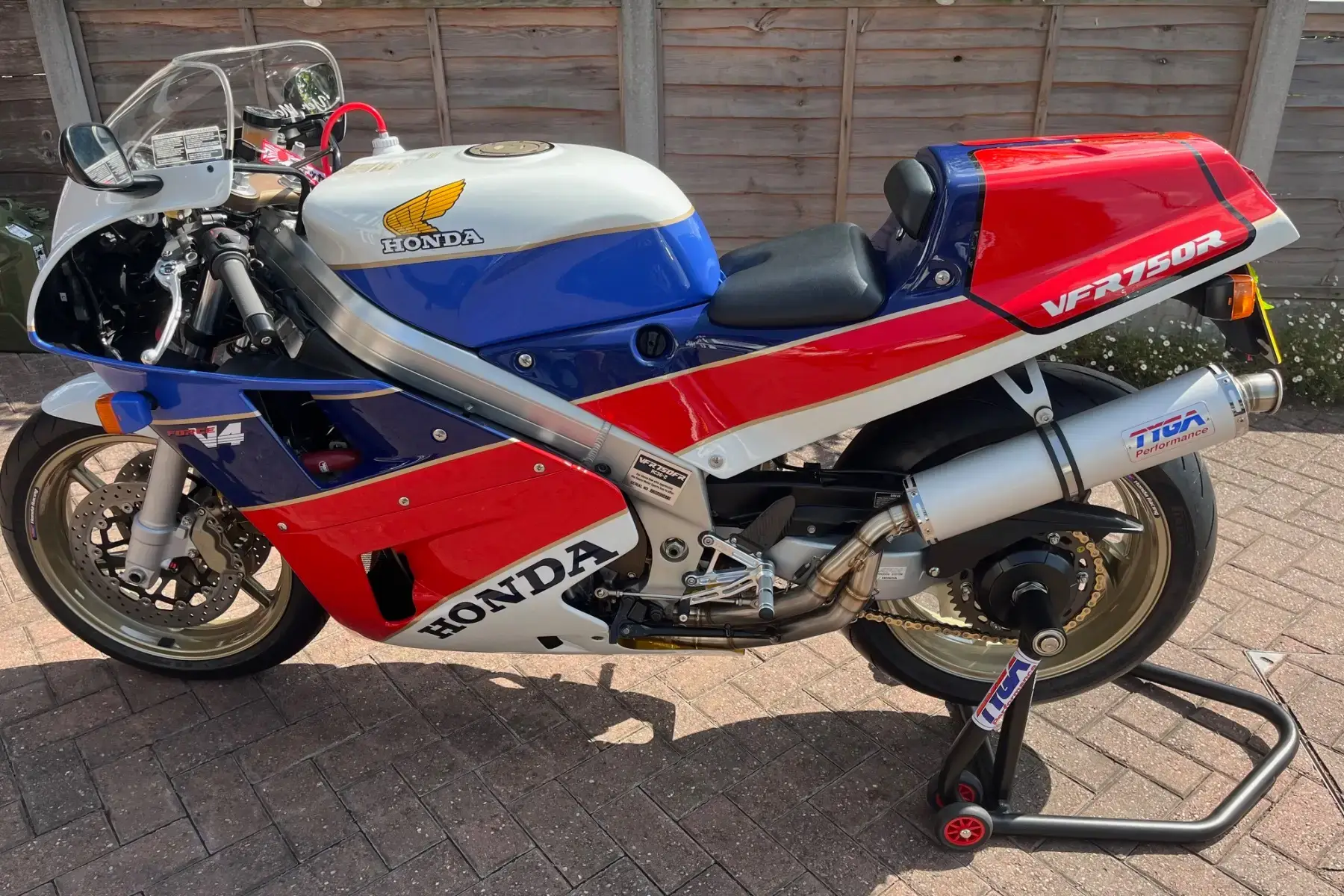



TYGA RC30 Tribute Project
| Date: | October 2025, text & photos by Paul Peramain & Matt Patterson, © TYGA-Performance.com |
| Builder: | Tyga Performance |
| Motorcycle Model: | Honda VFR750F (RC36-2) – TYGA RC30 Tribute |
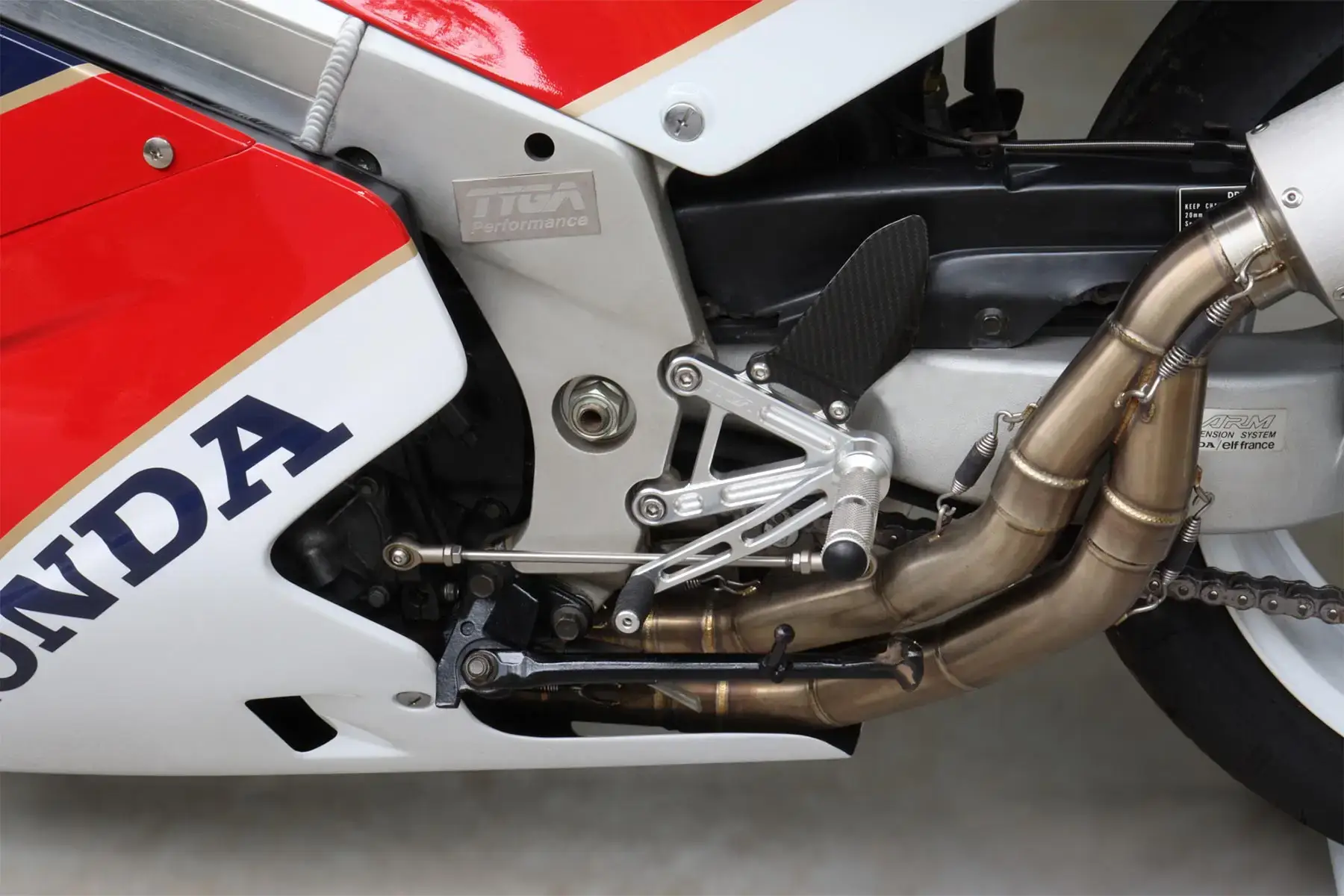
| Products Used: | Bodywork Set 3 GRP Painted RC30 RC36-2 RC30 Euro/US Style Street, Full Race System HRC Style RC36-2 Round Stainless Silencer, Fork Shortening Kit RC36-2 RC30 Style, Pro-Arm Hub Conversion Assy Pro-Arm Underslung Caliper NC30 Hub Single Nut Wheel RC36-2. All TYGA products used listed below. |
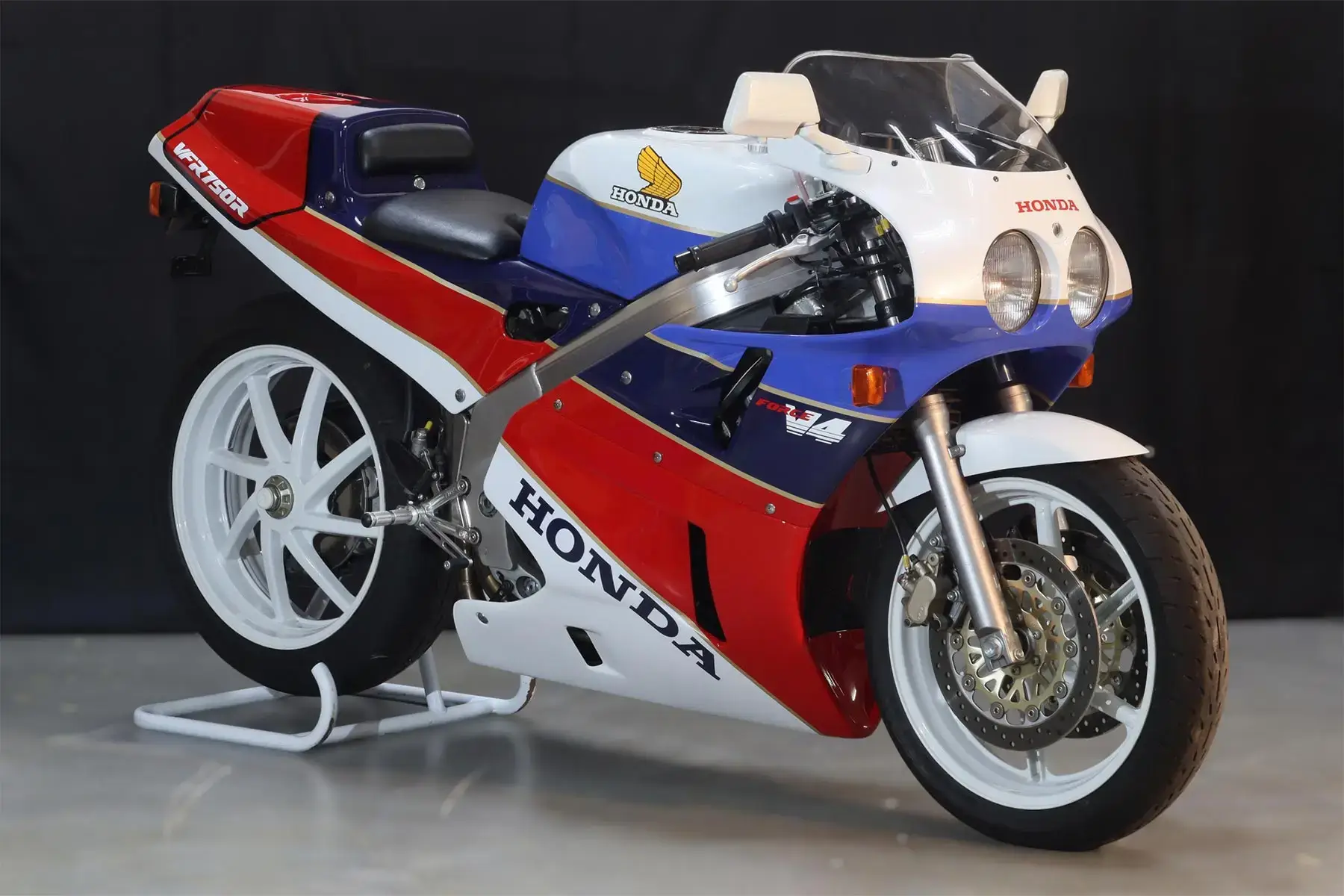
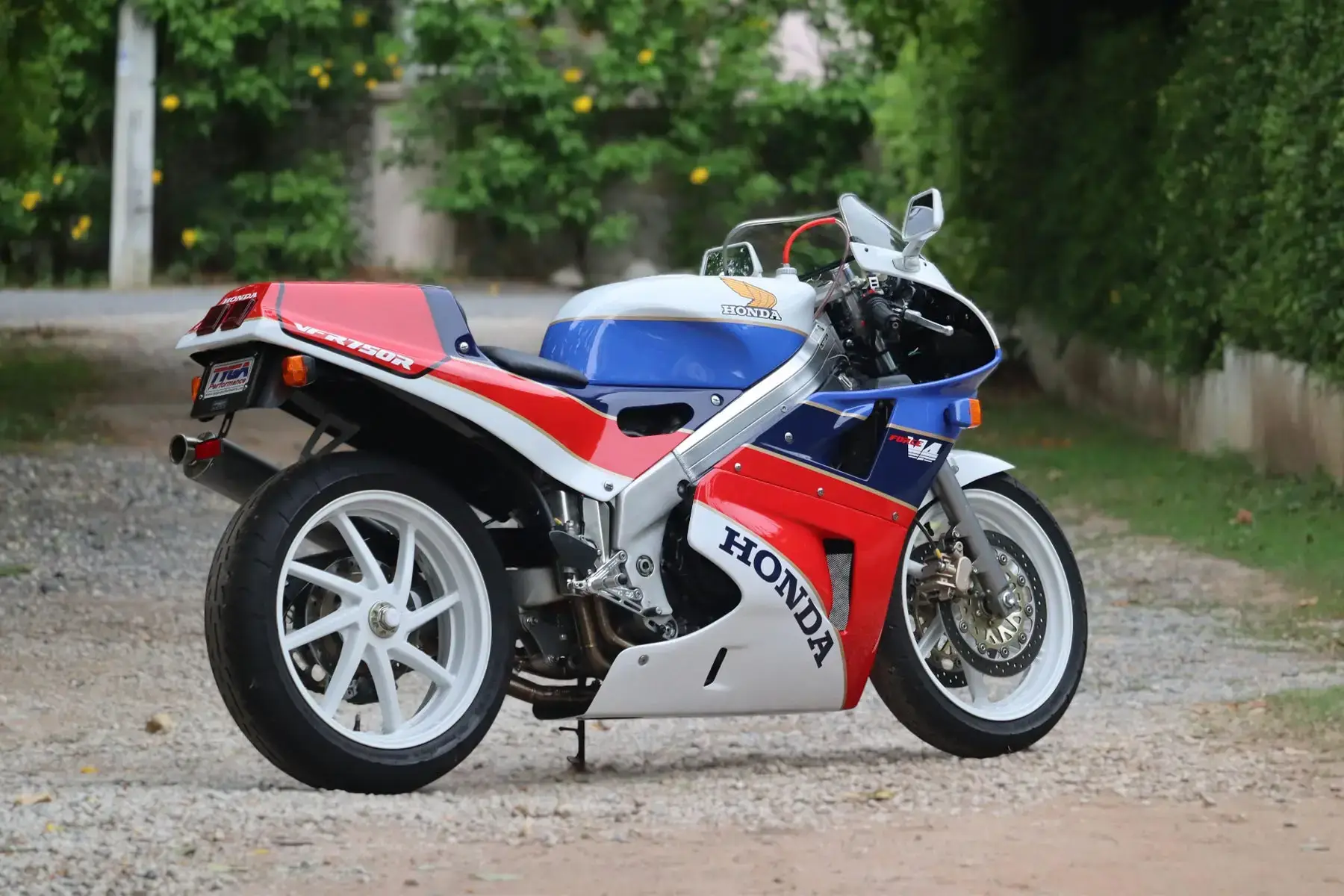
The idea of turning a perfectly competent Honda sports touring motorcycle into a less practical and more old-fashioned looking superbike is the sort of crazy project that TYGA Performance loves to do. If an extra-terrestrial came down to Earth and you had to explain to said logic, they would most probably fly back to their planet a bit confused. On the other hand, we are assuming if you are reading this that you are one of us bike nuts and you get it. Building and riding your very own project bike is all part of the motorcycling experience. Let’s be honest, we love it when our bike stands out from the crowd and gets all the attention.
The VFR750R RC30 needs no introduction, but for those of you who were sleeping under a rock for the last 45 years, here goes. The RC30, launched in 1987, is a limited edition race bike built by HRC and is now recognized as the most iconic Honda ever, what with its looks, riding experience and racing results.
Even today, for the lucky owners (“For those few who can appreciate the finest Motor Sport has to offer”, to be precise according to Honda), prices are reflecting the model’s popularity and pedigree. This unfortunately puts it outside the reach of most people’s budget and in any case, there were no more than 5,000 made so there will never be enough for everybody. Simple law of supply and demand dictates they become unaffordable.
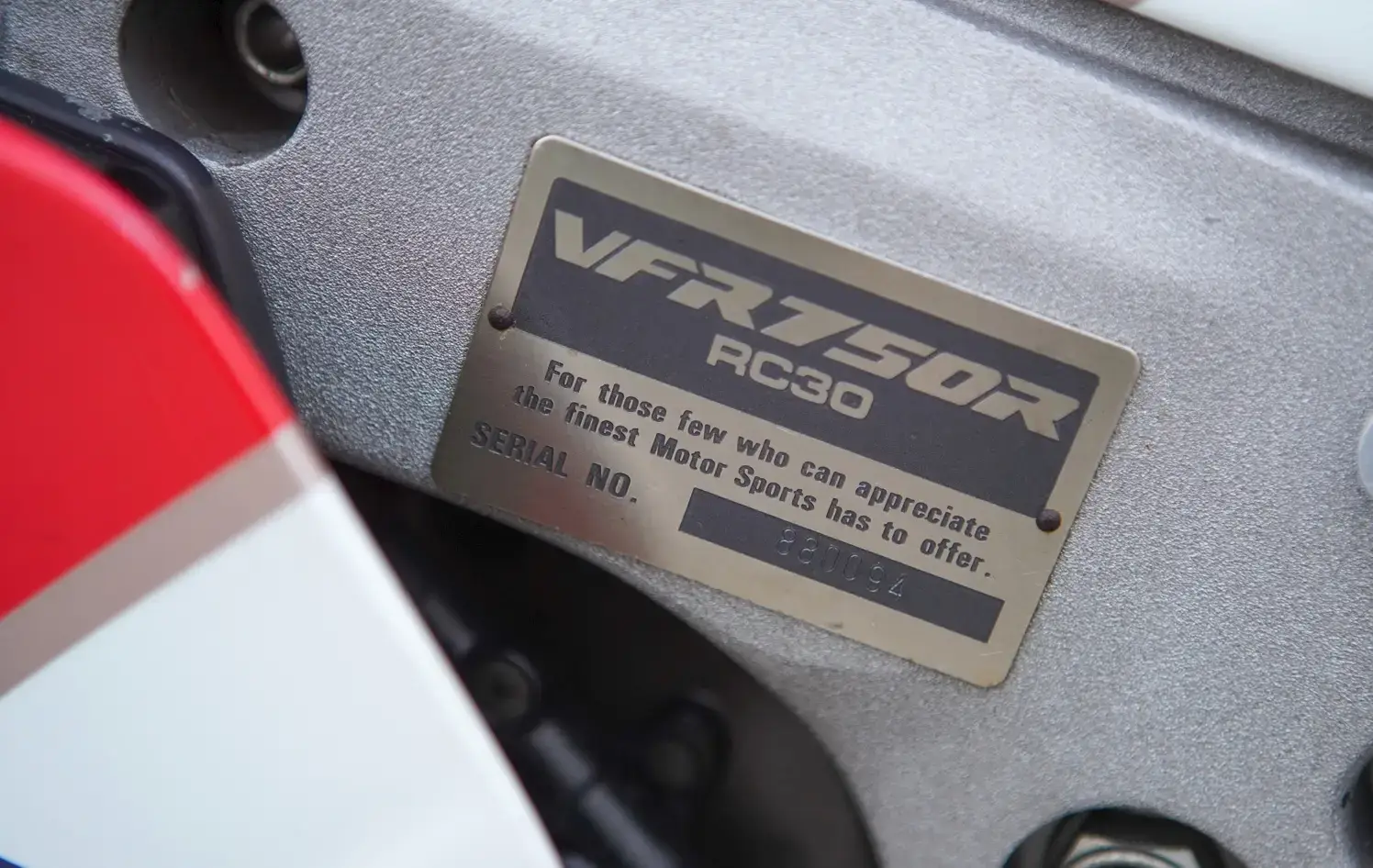
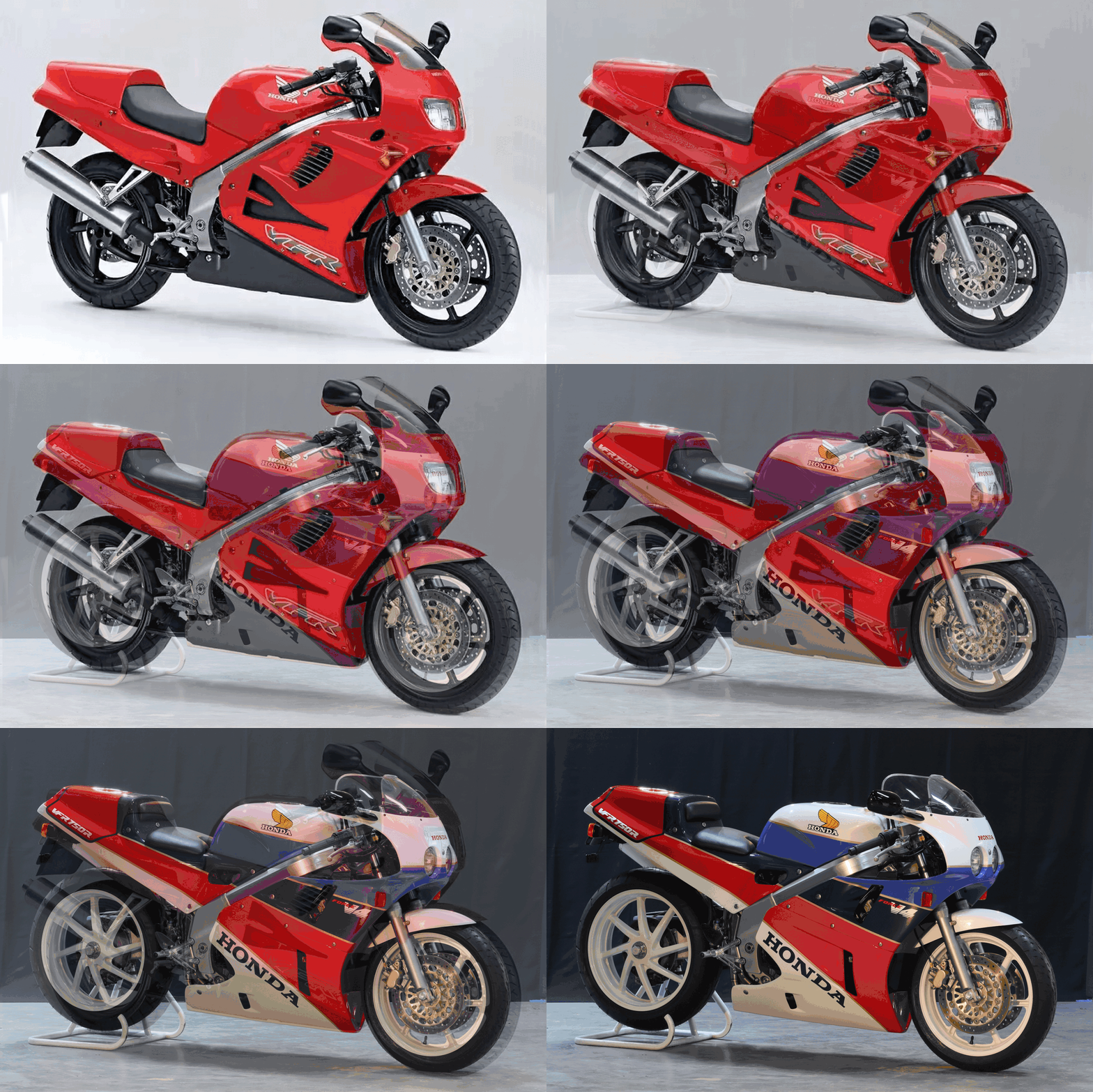
Enter the VFR750F. Unlike, its exotic sibling, the VFR750F was developed as a sports tourer and can trace its roots back to the RC24 of 1986. By 1994, it had been developed into the highly competent RC36-2 version which was sold until 1997. Looking at the RC30 and the RC36-2 side by side, it is hard to see any similarities between the two models beyond a similar name and a Honda wing on the fuel tank.
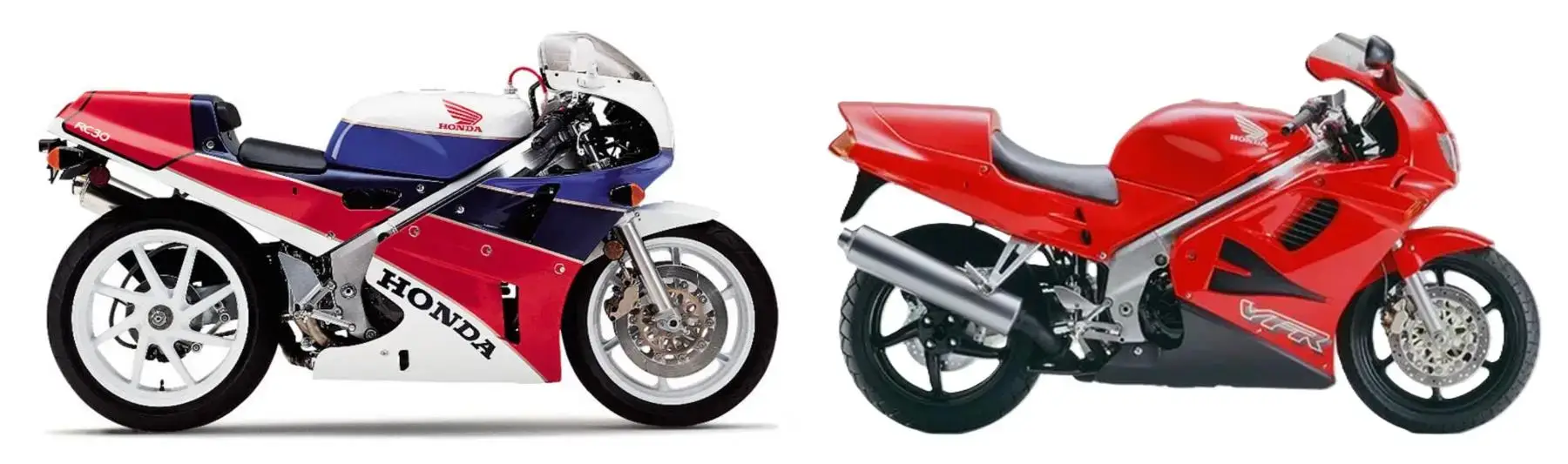
Strip away the bulbous bodywork from the tourer and you can begin to see the common family ancestry with both models being developed from the original RC24. Ok, the RC30 has a lot more in common with the factory racers of the 1980s but the V4 engines share almost identical crankcases, both have beam frames and Pro Arm swing arms and the proportions are not miles apart either. The RC36-2 is common as muck and despite being one of the best Hondas every built, they can be picked up for ridiculously cheap prices due to the laws of supply and demand. Economics kicking in again but this time in the buyer’s favour. Put all these facts and figures together and you can see the beginnings of a project here.
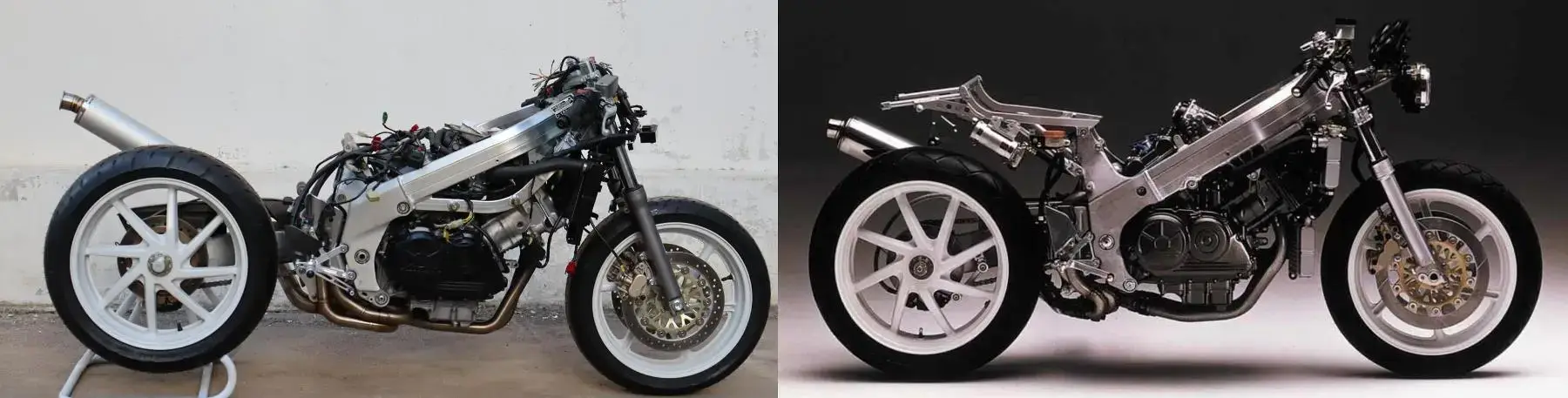
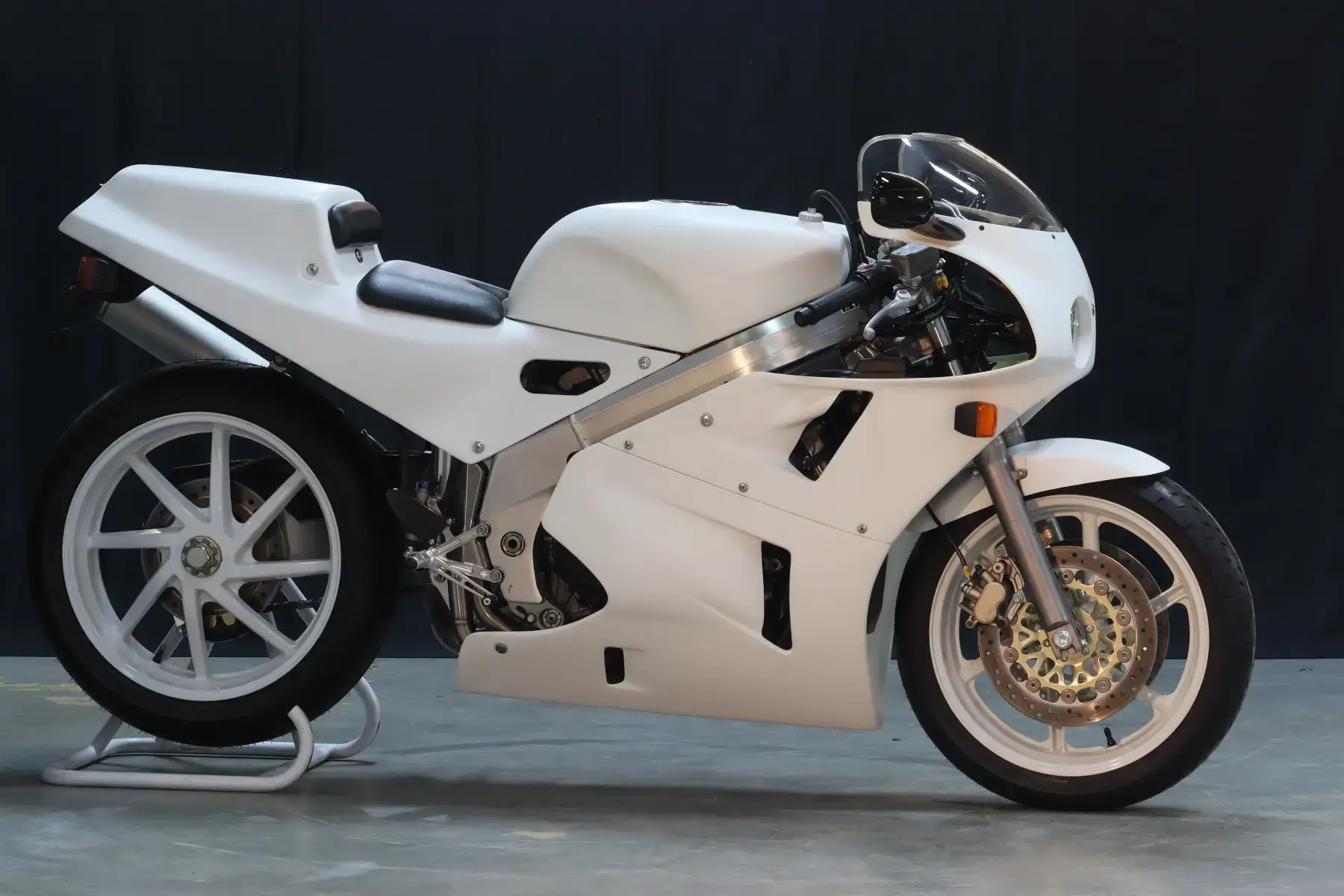
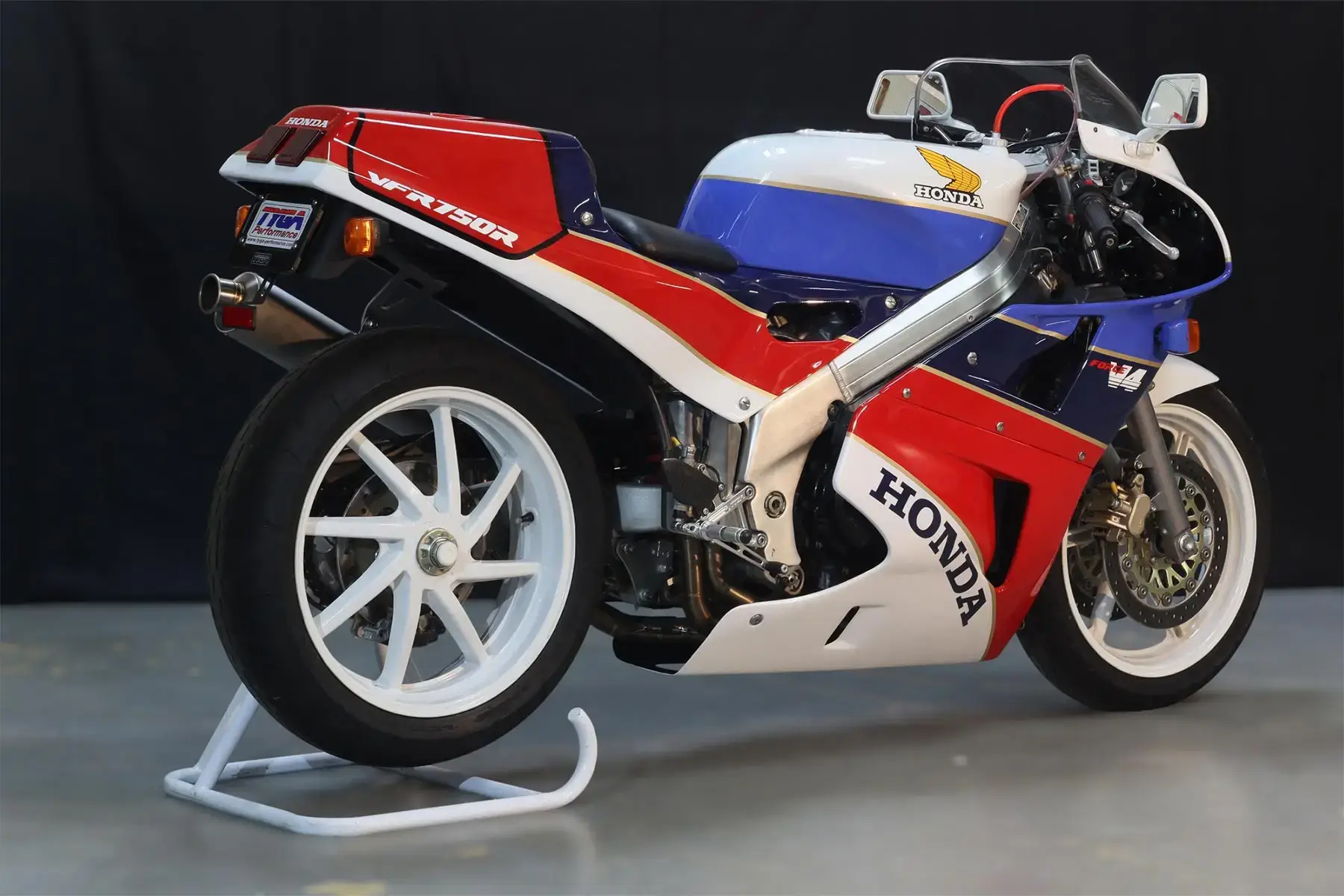
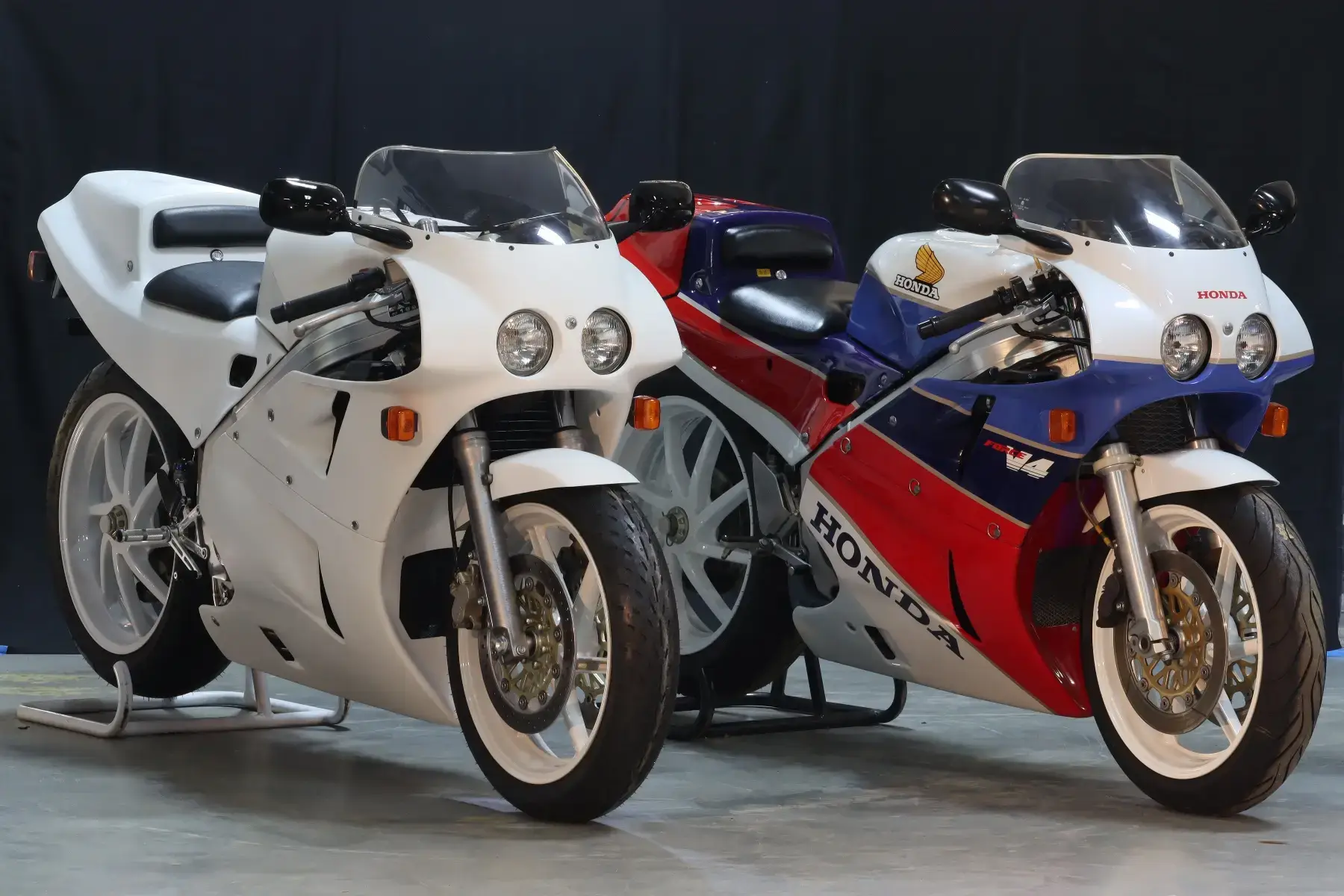
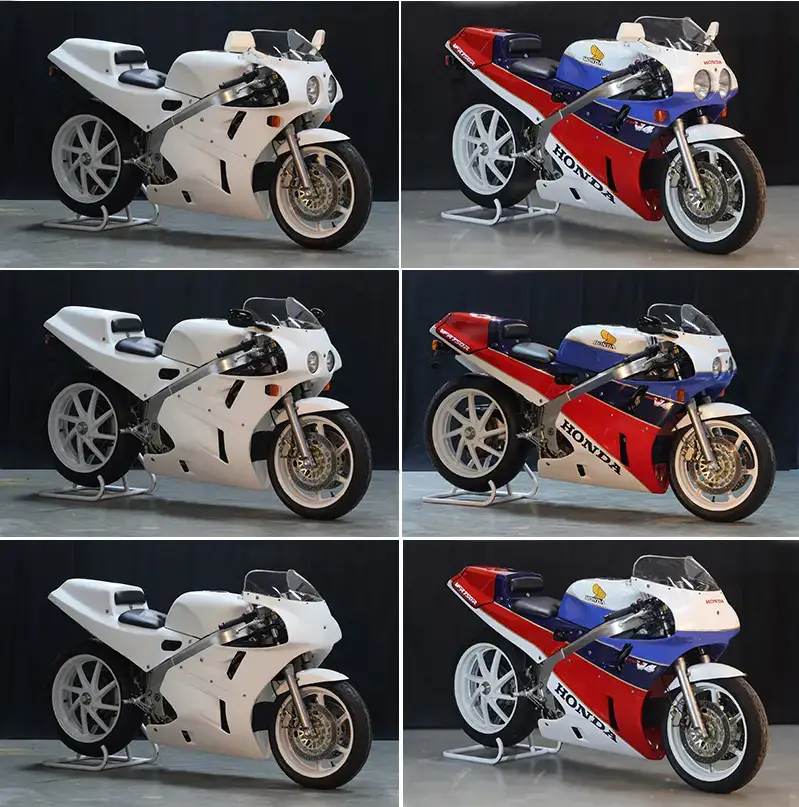
Real RC30 (left) compared to RC36-2 (right) TYGA Tribute without bodywork
Before I go any further, I should make it clear that turning an RC36-2 into an RC30 type bike, is not our idea or original to TYGA Performance in any way. Many, many people have already built their tribute bikes. Some have become well known for such builds such as our friend Jim Mott in Australia. His bikes have been exported all over the World and sold in places such as Iconic Motorbikes in California. There are plenty of people in Europe making tributes as well as a very active and an informative Facebook page devoted to this type of project. RC30 and RC45 Replica Group.
Over the years, as our business grew and TYGA Performance’s capabilities expanded, it occurred to us that we could offer the tribute community, if not a one stop shop, at least most of the parts that they need to build such a kit. It made sense to invest time and resources to make low volume production runs of critical components to allow home builders to get on with the less specialist work of restoration, assembly and sourcing parts. Some of our close friends who own VFR750s have been encouraging us for years (Miguel, Jimmy, and Glenn to name but a few) but we had to clear our other work first. If we were to do such a project, we wanted to focus on getting it right and we wanted our parts to be a worthy tribute to the HRC original. It was important that every component had to be designed to look and function like the original Honda ones while at the same time keeping things affordable to the customer. This is no easy feat since because production runs of tens or hundreds of each component rule out stampings, injection moldings and complicated electronics due to high set up and tooling costs. Such an approach would not be economically viable and/or beyond our capabilities.
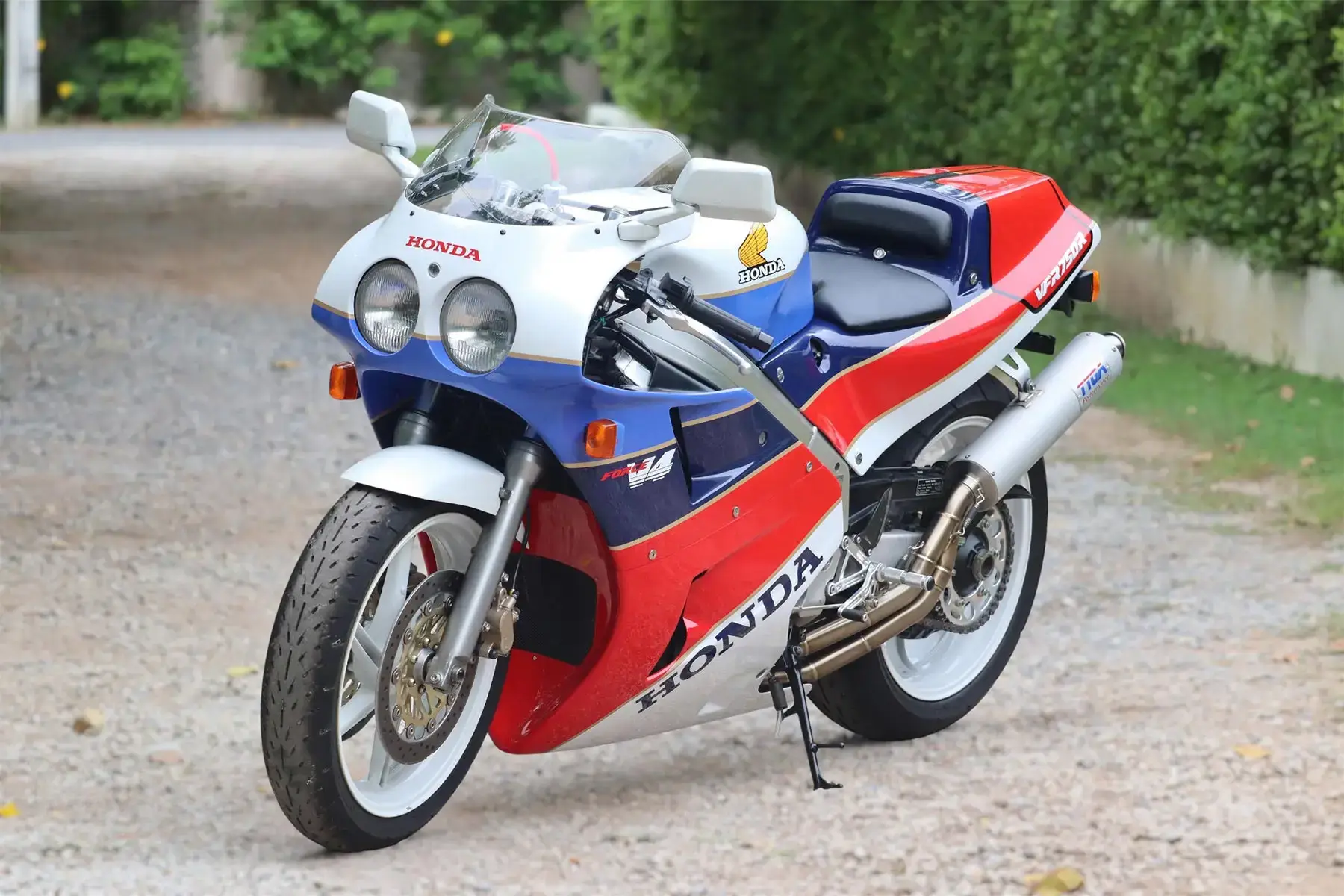
Luckily for us, we were able to utilize our in-house labour-intensive fabrication and composite capabilities and combine the resources with modern technologies such as 3D printing and laser cutting which helped keep costs down and quality up. Add in a bit of lateral thinking, hard graft and we were able to produce most of the kit parts in-house and source most of what else we needed from our existing vendor network. We also sourced new genuine Honda parts which were either identical or similar to those used on the original RC30 and sourced used ones where they were not. We also trawled the Internet for reproduction parts. A big positive in this regard is that the RC30 shared a lot of its components with other more humble and numerous models of that period. A good example is the NC30, the RC30s little 400cc brother which shared lighting and some braking parts. There is still a lot of used genuine parts as well as reproduction ones for the NC30 which we could press into service. Where possible, we tried to avoid using unobtainium parts.
We had to be mindful that our build is not us show off what we can do but to providing inspiration and encouragement for other people to build a similar or even better bike by shopping at TYGA Performance and utilizing these with other components they can realistically be expected to source elsewhere. For that reason, we steered clear of using a real RC30 swing arm or front forks and calipers, though of course these components could be used by someone if their budget, installation and sourcing skills allow. Anyway, enough on the introduction!
In a classic project build, you would show the before, during and after photos. Unfortunately, this build didn’t really progress that way and I am ashamed to say that apart from a thorough degrease when the donor RC36-2 first arrived, it never received a proper strip down and nut and bolt restoration.
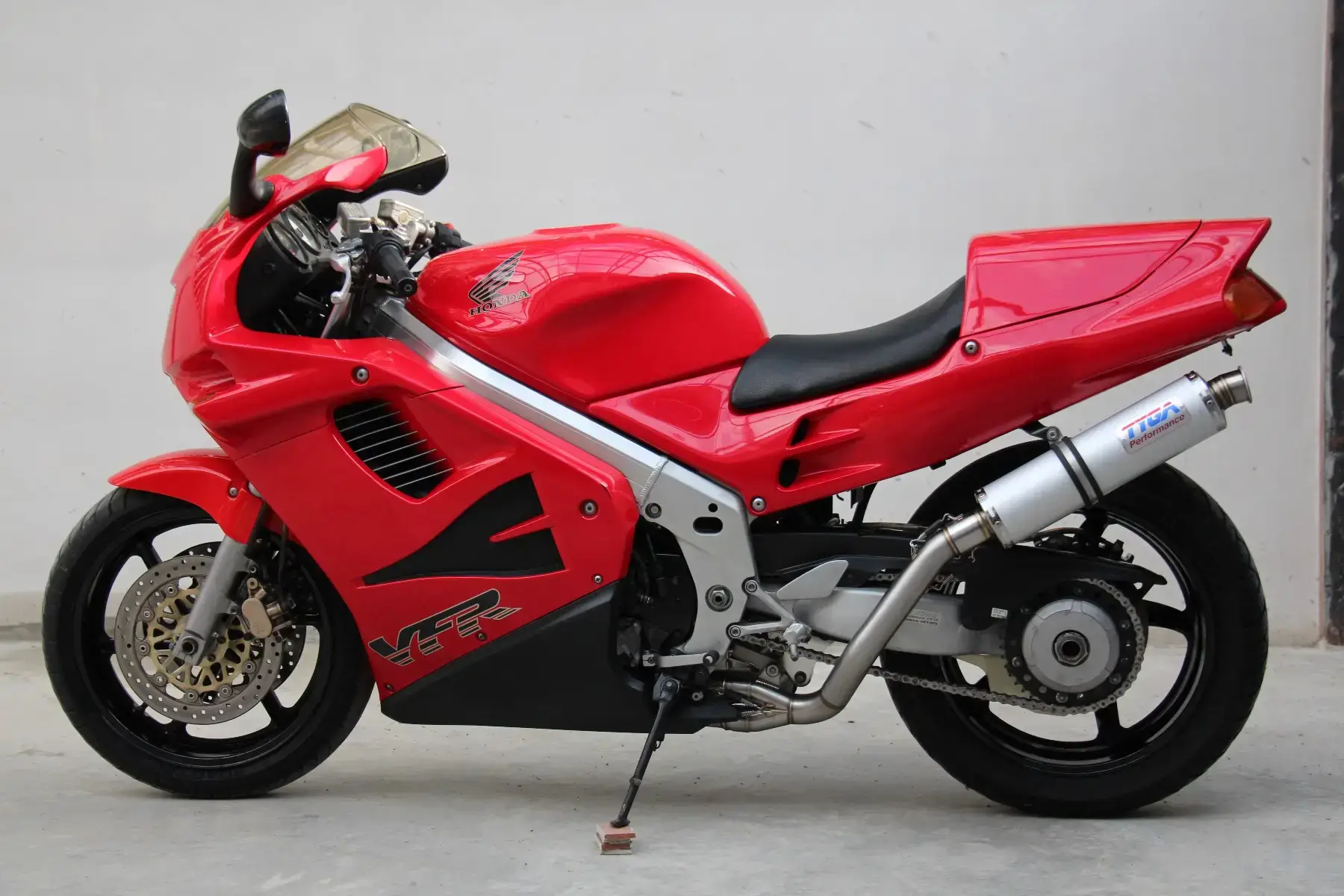
Underneath the bodywork of the completed bike here is still the same engine/frame/swingarm/rear shock that has never been apart since it was assembled at Hamamatsu 30,000 miles and 30 years earlier. The reason for this was simple, the bike just evolved in waves back and forth, one week being a mule, the next a jig and the next a prop for fitting instructions and the build guide. There wasn’t really a good time to pull it all apart and give it the attention it deserved so apologies for lack of good before photos and sorry for the flaking paint on the engine cases and some crusty bolts and fasteners. Hopefully, it just goes to show that it doesn’t matter and makes you appreciate that by the time the bike has morphed into its new form, it doesn’t matter if the starting bike was a little rough.
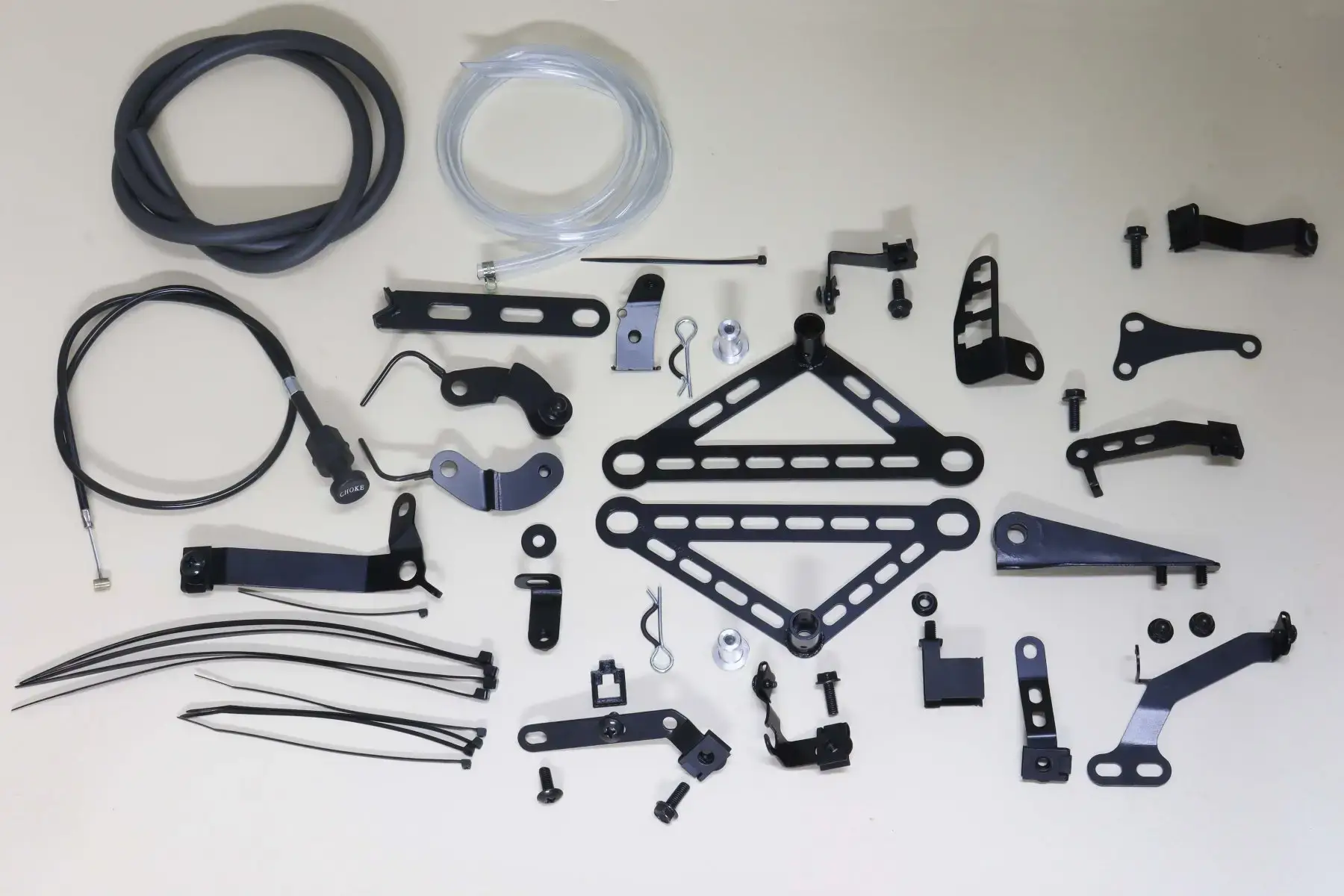
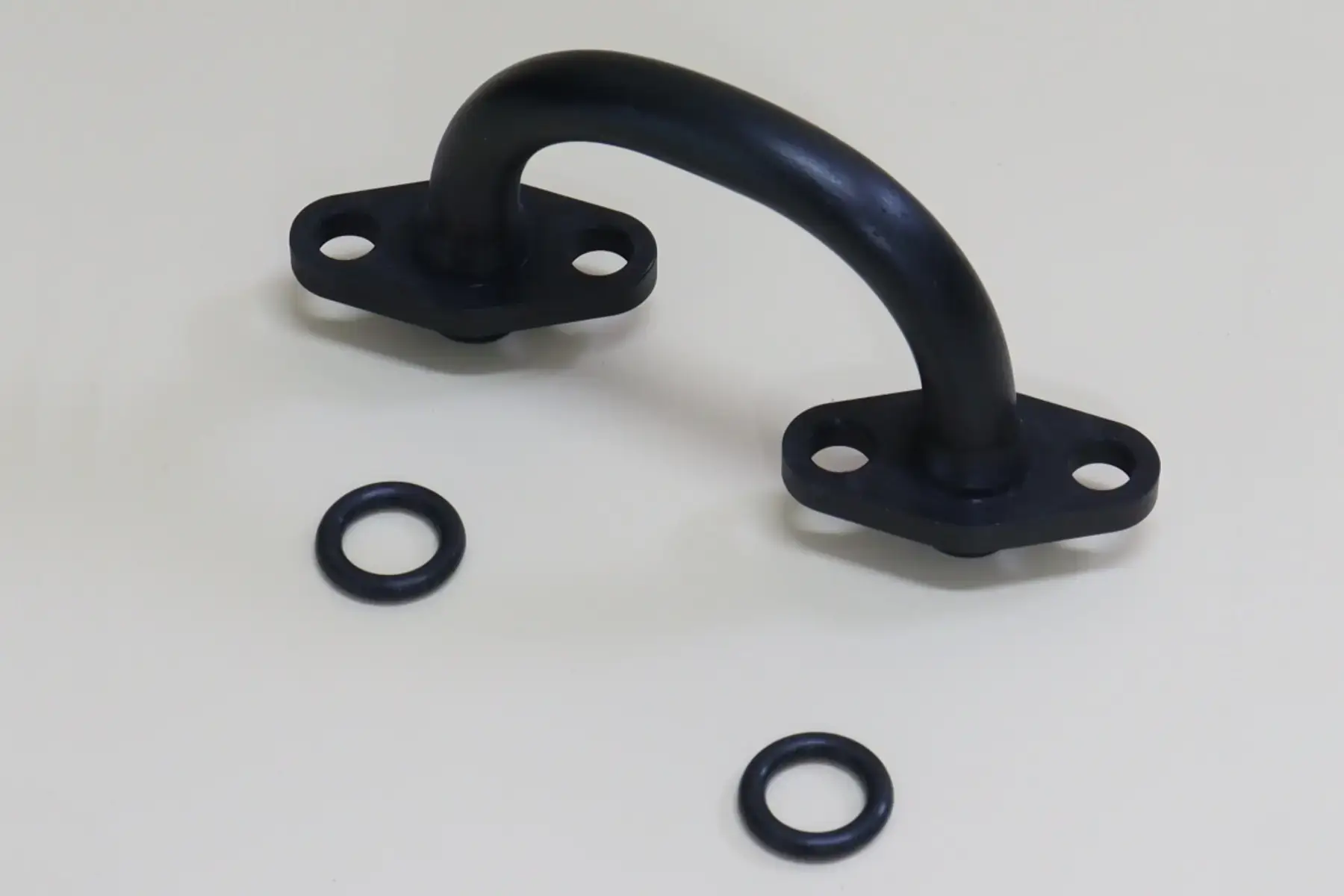
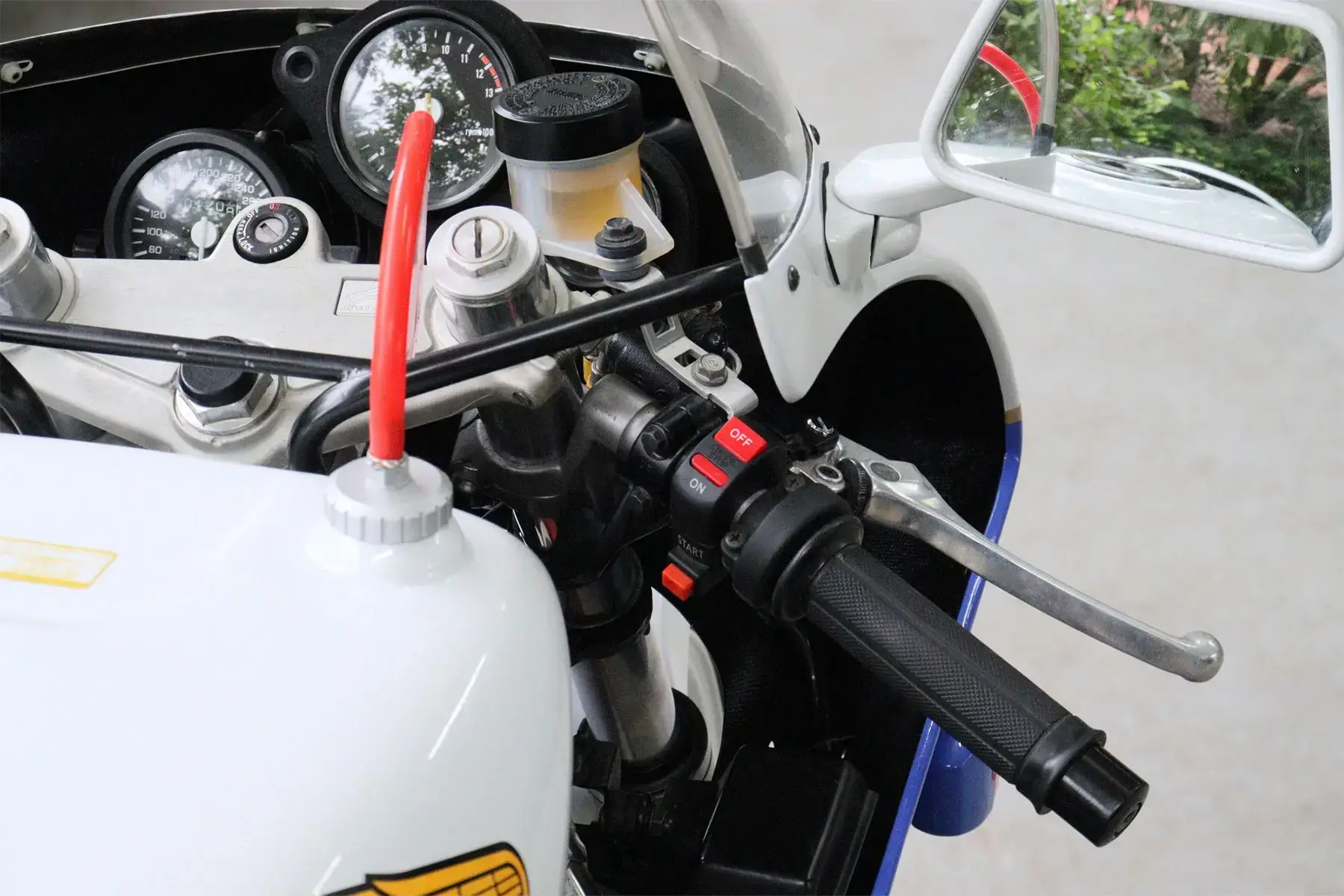
So exactly what is involved? Well I think in the interests of not repeating what we write elsewhere and to keep this write up to a manageable length, I’d like to refer you to the build guide for all the details. We’ll wait here until you come back and then we can continue on, or if you want to skip that part for now, it really doesn’t matter. Basically, it involves stripping the bike until it is the aforementioned engine frame and swing arm and building it all up from there. Bodywork, fuel tank, lighting, switch gear, exhaust, rear hub conversions, front fork shortening kits, subframes, brackets, electrical components such as sub-harnesses and switch gear are all available as are master cylinders for the clutch and front brake and small details like fuel tank breathers and rear reflector.
I suppose I should mention here that I am one of the lucky ‘few’ who owns a real JDM RC30 and we had the RC30 in bits nearly as much as the RC36-2 so we could get the parts correctly reproduced. Of course, if it were just a case of copying everything, it would be relatively easy but the RC36-2 is not the same proportions as the RC30 and quite a bit bigger.
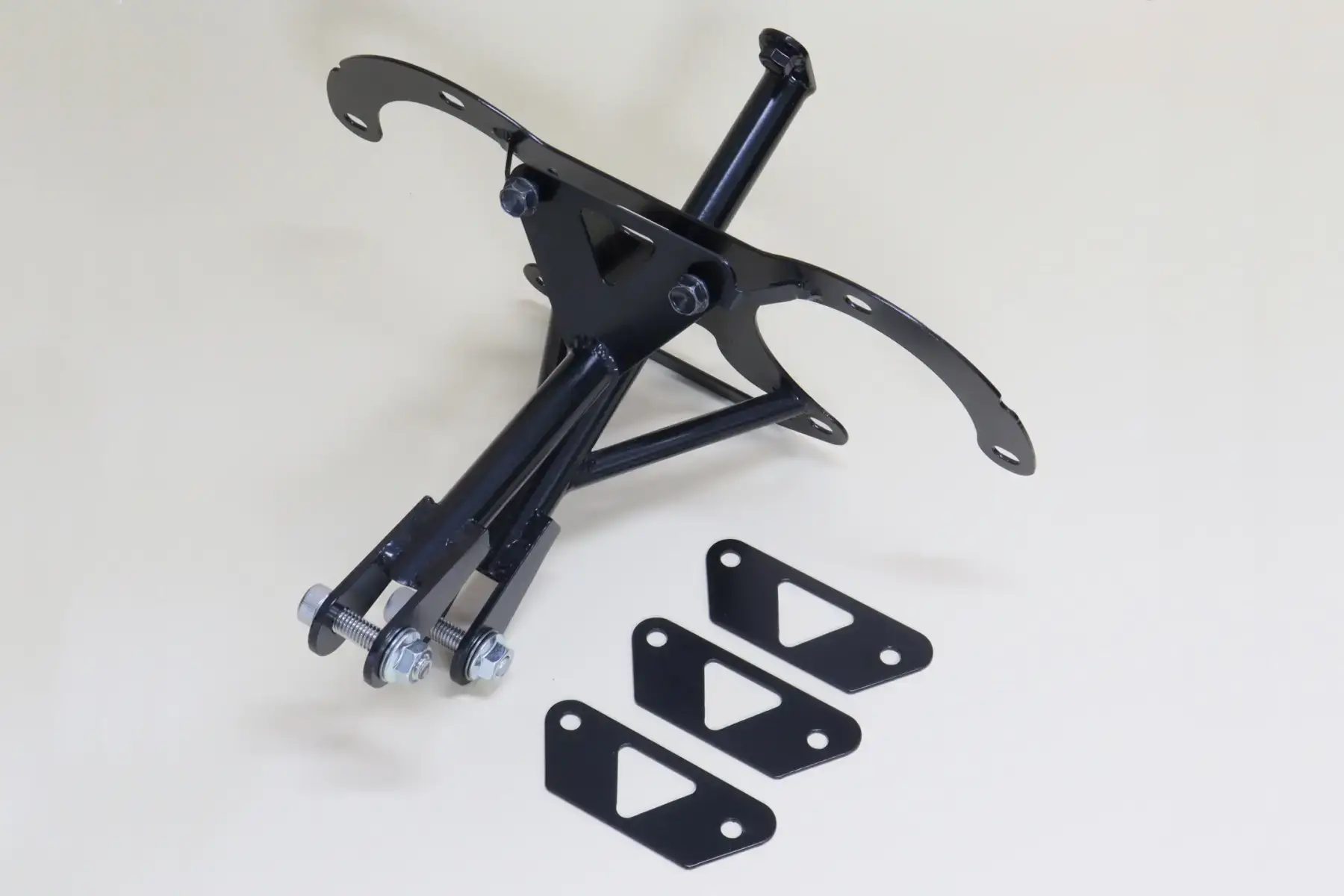
Moreover, the frame and all the mounting points are in different places and we wanted to make the kit plug-and-play as well as reversible. The only transgression from that was drilling two holes to mount the front of the fuel tank and the upper stay similar to how it is done on the RC30. Of course, even in this example the height, position front and rear and angle on the stay are all different so like the fuel tank it is a carefully redesigned shape to fit the RC36-2 but look like one from the RC30. The knack is to change things to fit but not so much that they give the game away that this is an imposter. The fairing for example is cut and widened as well as made taller and longer front to rear. Too much cutting and changing and it starts to look weird and not like an RC30, too little and it looks like some big muscular guy with a size jacket too small. Hopefully the final result makes it look like it was made for the job and no different to the RC30 one. In truth it was quite a challenge. Frankly, it was physically challenging. Both Matt and I would be cutting and sanding fiber in tropical conditions until late in the evening for weeks. Still, our suffering saves all our customers the same itchy experience! They can just buy our plug and play kit and install it like any other production fairing.
There is so much I could explain but let’s just say it took up most of our free time for a year, with us adding more products to this project until mid 2024 when we finally took a break from it to attend to some other urgent projects. Of course, it is never finished and our customer base let that be known soon after we launched the kit. Many potential customers in Europe demanded the larger European headlights and preferred it to the JDM version of the RC30 that we had based our tribute on. Our reasoning was that we had a JDM RC30 to study and replicate, parts such as headlights and mirrors were easier to source for the JDM version, and it was how Honda intended it. This latter point we had confirmed later when we asked the RC30 LPL (Large Project Leader and daddy of the RC30) Kazuo Honda last year at the Motegi Honda Collection Hall. Honda san was emphatic that the JDM was the purest form of the RC30. Nevertheless, the Europeans were persistent so we decided to make a large headlight version.
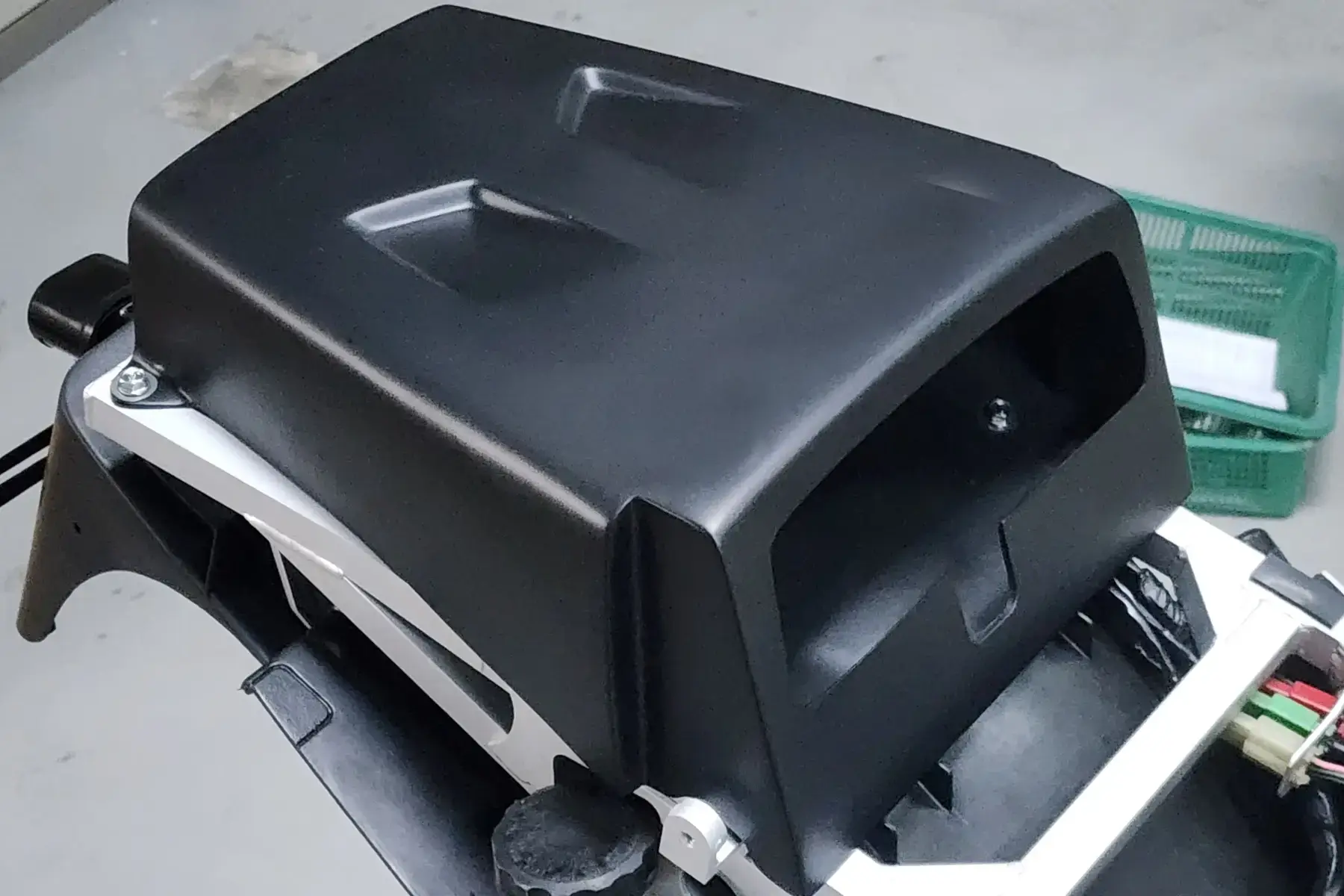
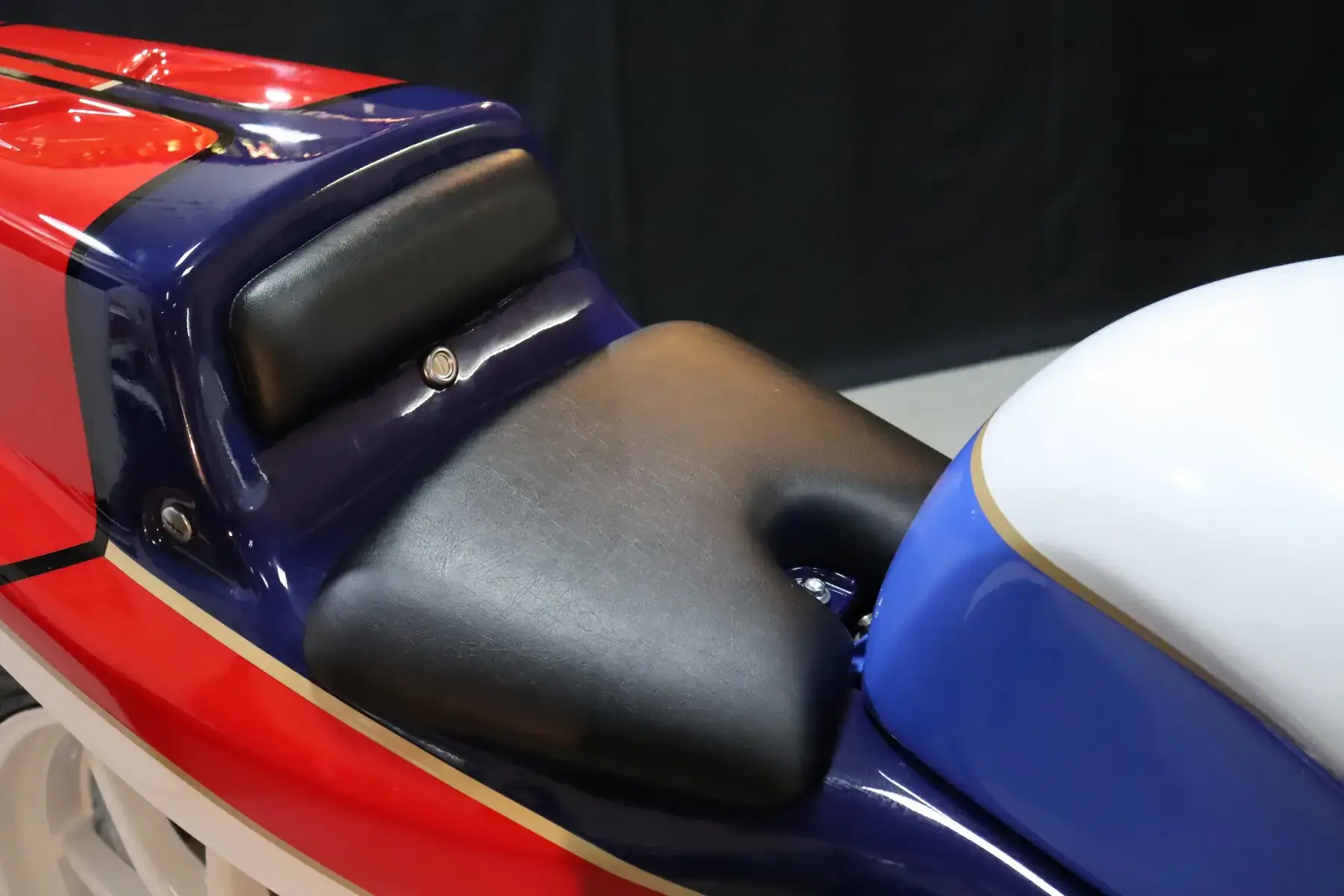
Where possible, we tried to use Honda or similar to Honda hardware to make the build more convincing. Some components were really difficult to get looking right such as the seat pad which is all hand-made and is interchangeable with the original RC30 one. Same goes for the bum stop but unlike HRC, we thought to make a luggage box to go in the cubby hole.
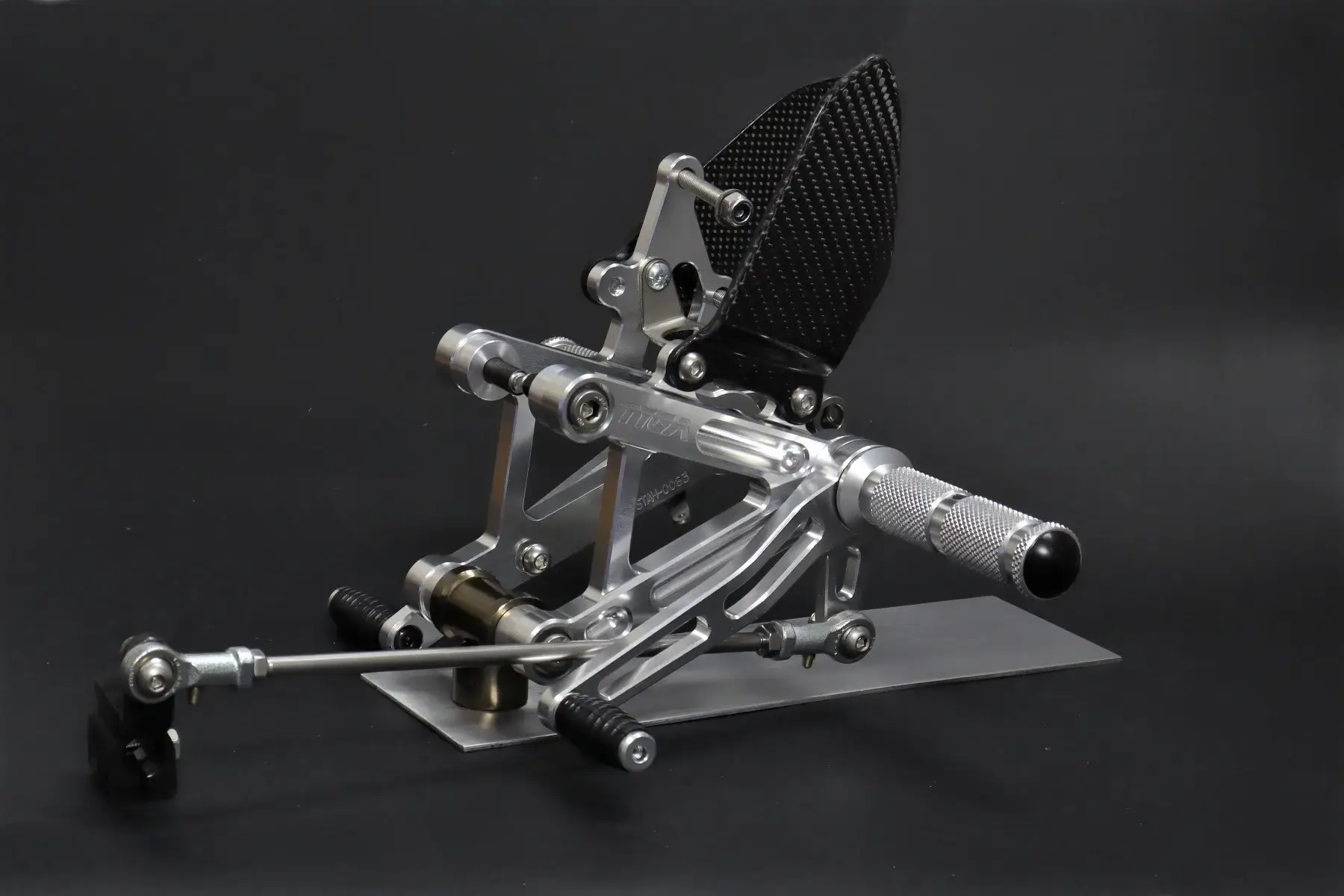
This inevitably resulted in the bike being taken apart again and unavailable for photos until recently. Now that new version of the kit is complete and ready for production, it seems an opportune time to make a project page on the bike so far. We do have plans to make more products to compliment the kit such as triple clamps and rear sets but for now we need to spend more time enjoying the riding experience and for that I will turn to Matt for his input.
Street Riding:
To be honest I have never actually ridden the R36 in standard form. The closest I ever got in the past was when Paul and I replaced a dead RC30 engine with an RC36 engine in an RC. We were crying “Sacrilege!” at the time, but it turned out to be a great idea as the bike was way more street friendly thanks to the more docile engine.
Back to the RC36/RC30 tribute bike.
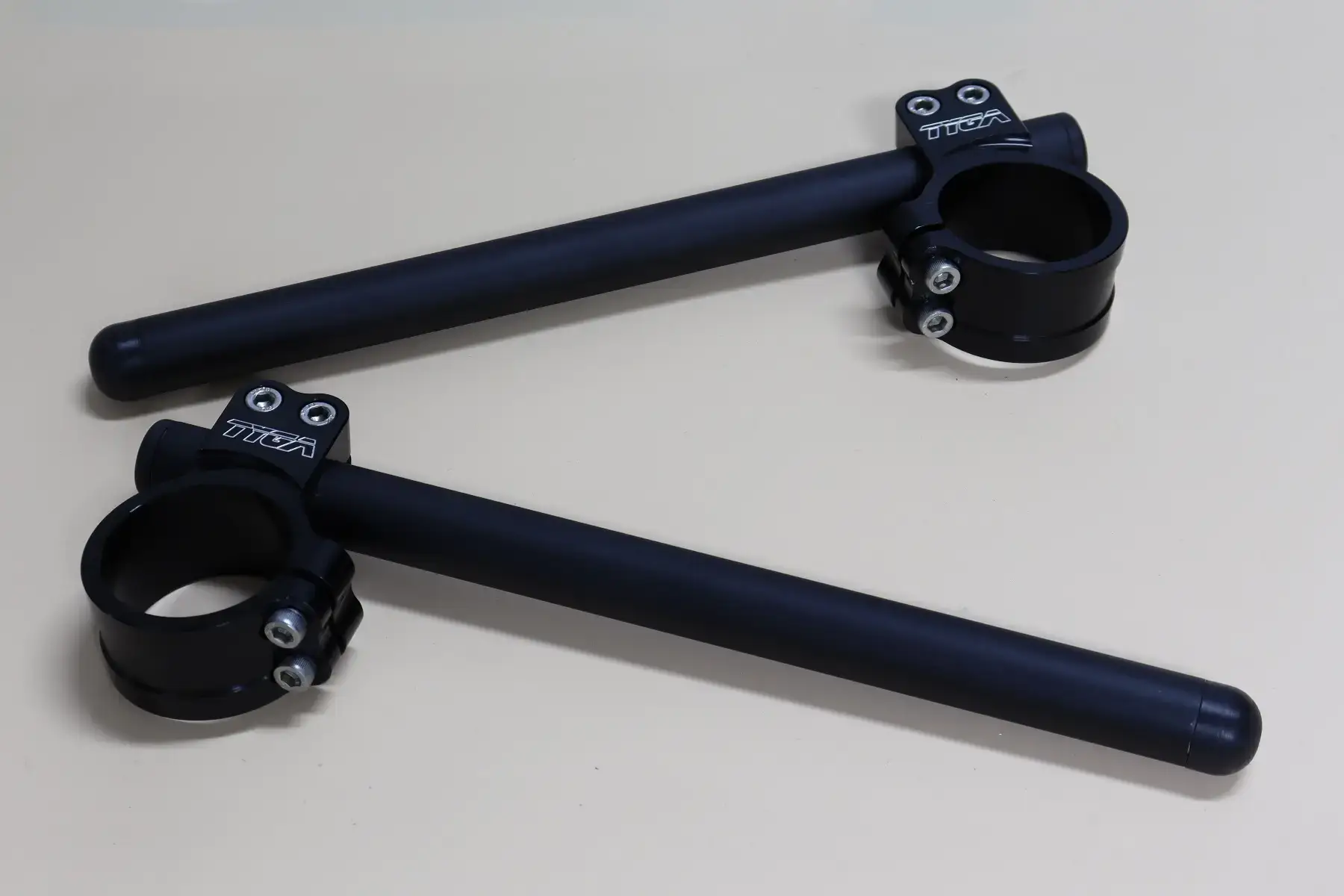
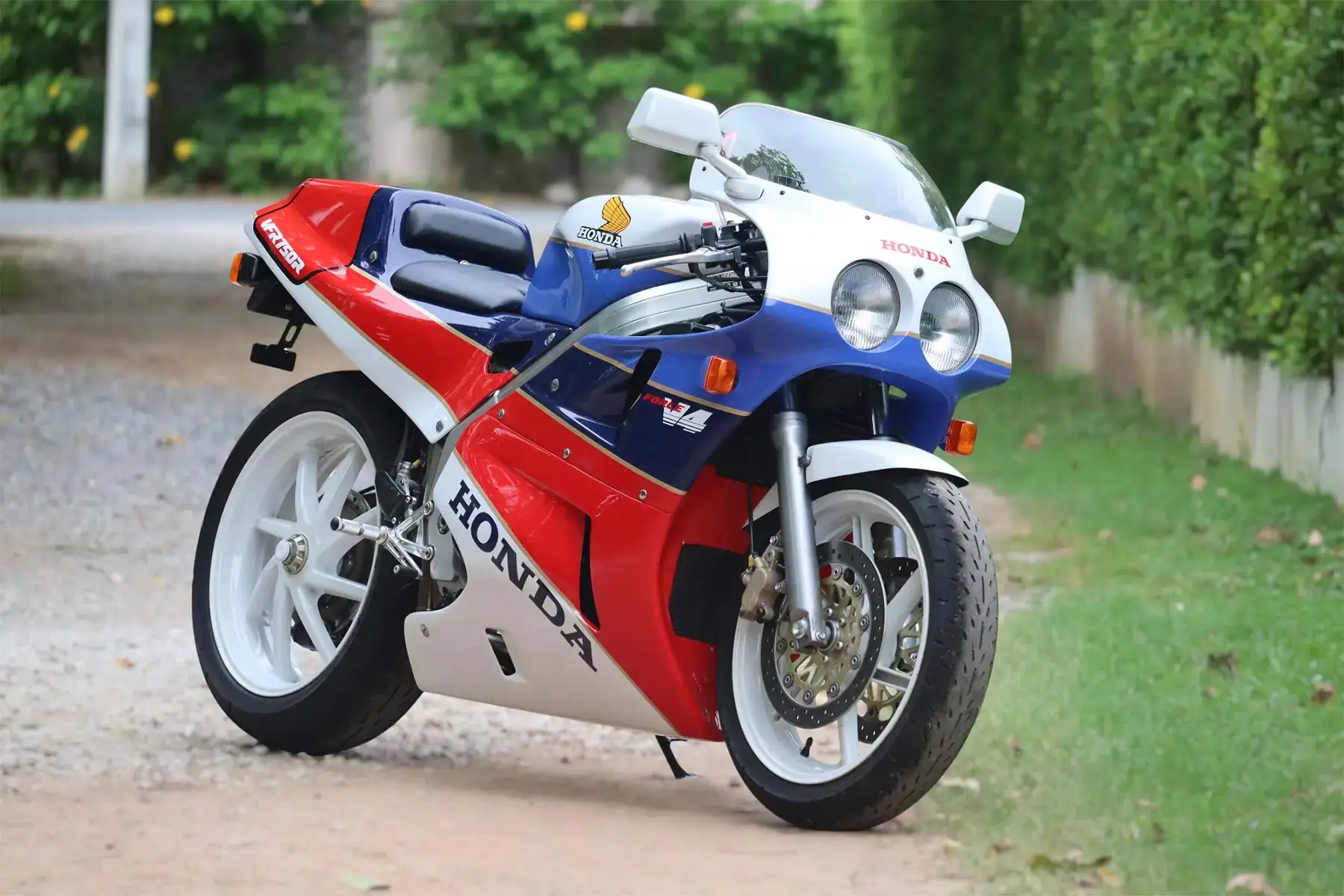
The first feeling when hopping on the bike that it feels a little taller than the RC30, but with the lowered RC36 handle bars and the TYGA step kit, the ergonomics are very close to the real RC30. You probably wouldn’t want to take it on a trip around the country, unless that country was Singapore, but it has a very sporty feel without being overly radical. But the exact same would be said about the RC30.
From initially pulling away you know that the heart of the beast is not an RC30 engine as it pulls away with very little fuss. No clutch slipping or mindless rpm and fury to get it moving. Very nice. Once on the move, the slight difference in the height is forgotten, and you really do feel that you’re on an RC30. If you are wearing quality ear plugs, then it really would be difficult to tell that you were on one of Honda’s finest touring bikes and not a top notch 90’s Superbike. The only give away to the trained ear is the scream pumped out of the 180 degree engine vs the drone from the 360 degree RC30 engine.
It would happily fulfill your daily riding needs and on the plus side, it’ll last forever.
In a nutshell. I’d rather have one of these than a real RC30. For street use, it’s just better. There. I said it 🙂
Track Riding:
I must confess, I did have a couple of reservations about thrashing the RC36/RC30 tribute around the BIRA International Race Track in Pattaya. The bike felt great on the street, but as it was still wearing the basic suspension, brakes and street tyres, I was little worried that it would disappoint. To make matters worse, I would have ex Thailand/Asia Champion, Suhathai Champsup for company on the recently built TYGA Rothmans RS250R NX5. No pressure!
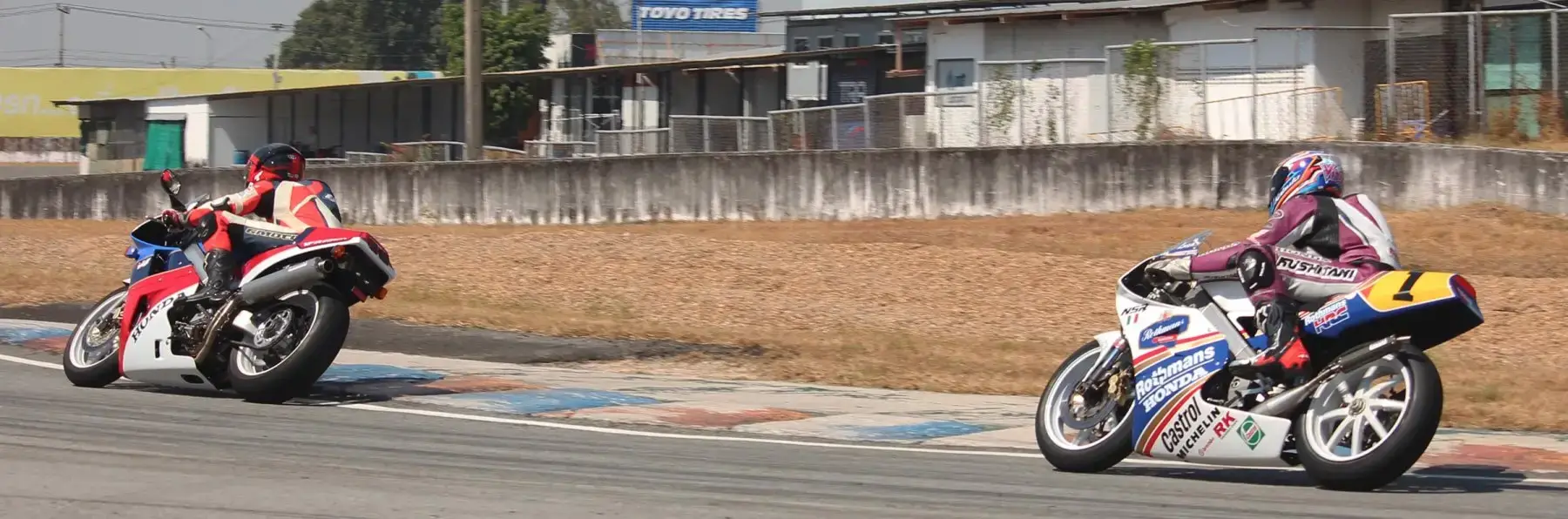
The first couple of laps were obviously a little steady so that I could get a feel for things, but it actually felt much better than I expected. Time to give gas!
The suspension was surprisingly capable. I thought that I’d be getting weaving on the anchors and bucking on the exit of turns, but this wasn’t the case. There were a couple of occasions when the rear slipped or spun, but that was definitely due to the Shinko tyres not being up to the job of race track abuse.
The brakes should have been a let down, but they weren’t. I wasn’t in full attack mode, but they were doing a good job of hauling up the big 750. Not race ready, but probably OK for a reasonably spirited track day with sticky rubber.
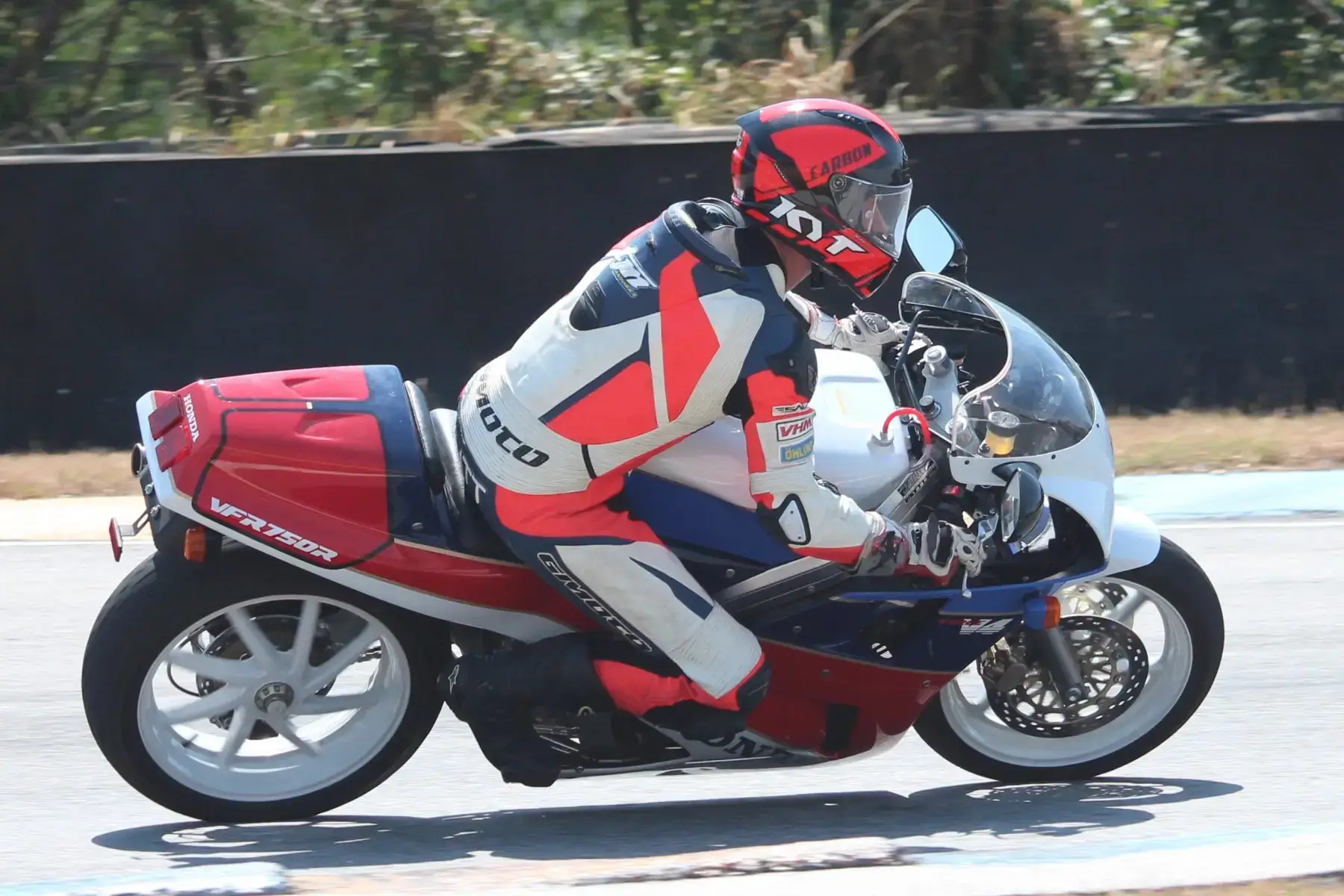
Another area where I was interested to see if it would pass the test was through the two chicanes. The track surface is not the best I’ve ever ridden on so things can easily get a bit out of shape if not precise, but the bike coped extremely well. The shortened forks and general geometry setup means that the bike is much sharper than the stock RC36. This shows itself immediately, but the best thing is that it’s still super stable. Off the gas, on the brakes, flip it this way and that though the chicane and bang on the gas again. Easy!
My final verdict is that if you want a relatively cheap, reasonably capable track day bike, and you’re out there for the thrill of the ride and not for filling up the trophy cupboard then the RC36/RC30 Tribute is a great choice. And the best bit is that when (not if) it goes thought the gravel, all you need to do is log into your TYGA-Performance.com account and order your replacement parts. Somewhat easier and much less headache than trawling auctions for months trying to find unobtainable and prohibitively expensive RC30 replacement parts.
The RC36/RC30 Tribute certainly didn’t disappoint.
‘Please follow the link to configure your bike HERE
Special thanks to
Members of Facebook Page RC30 and RC45 Replica Group
Kazuo Honda
Jim Mott
Stephen A’lee
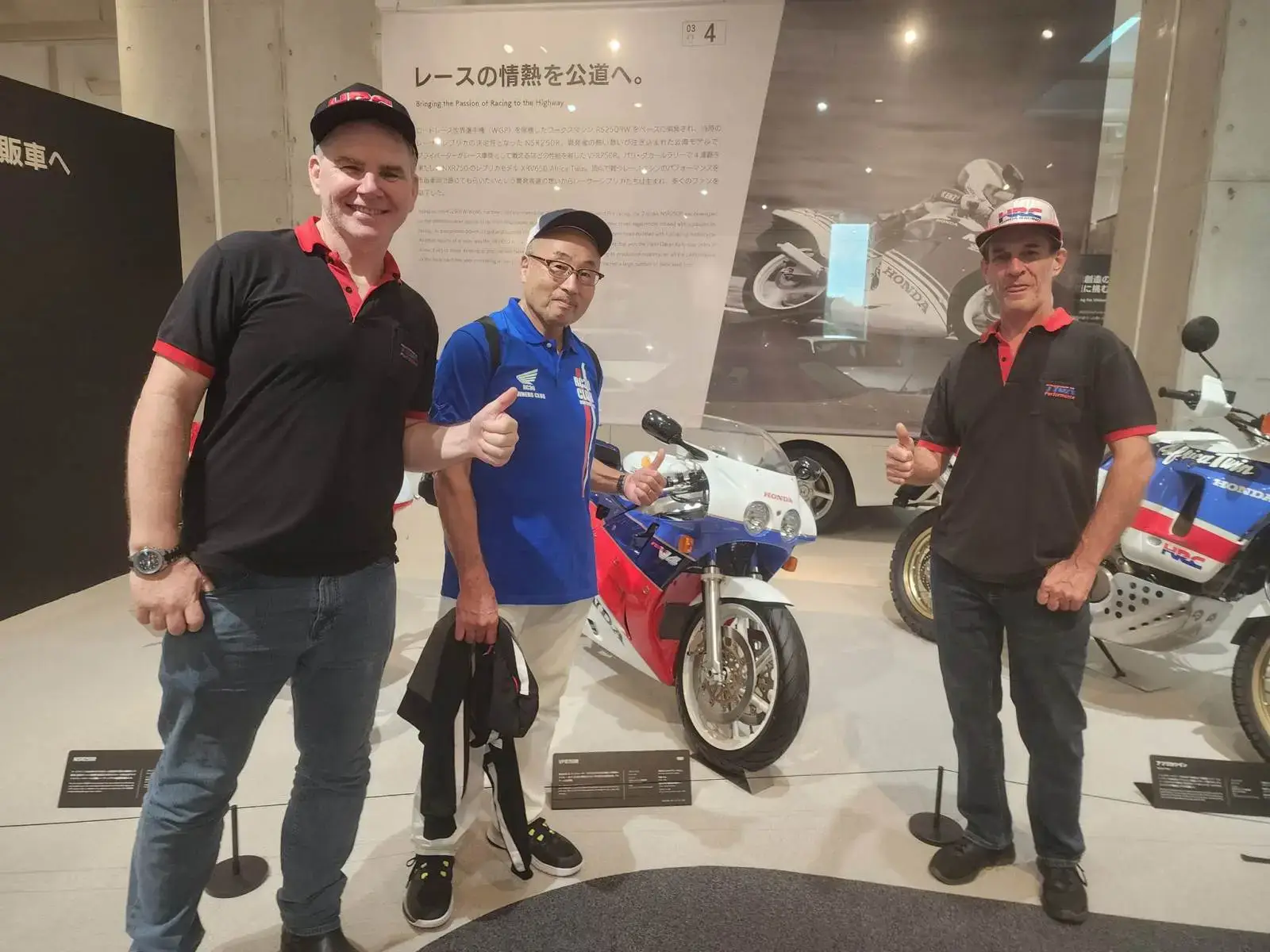
Paul and Matt from TYGA Performance with Kazuo Honda (the creator of the RC30) discussing his baby at the Motegi Honda Collection Hall.
Some RC30 Tributes build by our customers
For detailed information see our build guide
Products used on this project
1 products
-

Bar End Weight, Pair, RC36-2, RC30 Style
SKU: TYLY-0324 Model: VFR750F 4th Gen (RC36-2) In stock -
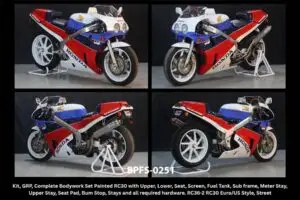
Bodywork Set 3, GRP, Painted RC30, RC36-2 RC30 Euro/US Style, Street
SKU: BPFS-0251 Model: VFR750F 4th Gen (RC36-2) In stock$3,850.26 This product has multiple variants. The options may be chosen on the product page -

Breather Cap, Aluminium CNC, RC30/NC30/MC18
SKU: TPER-0112 Model: See Description 30 in stock -
Breather Hose, Fuel Tank, RC30 Style, Kit
SKU: BPAC-0019 Model: See Description In stock -
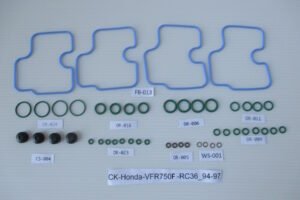
Carb Service Kit A, 48 pieces, Honda VFR750F RC36 (94-97)
SKU: CKA-Honda-VFR750F-RC36 (94-97) Model: Honda VFR750F RC36 (94-97) 4 in stock -

-
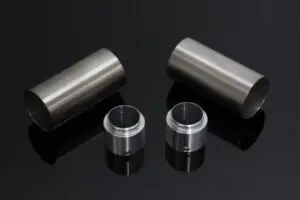
Fork Shortening Kit, RC36-2, RC30 Style
SKU: TPER-7049 Model: VFR750F 4th Gen (RC36-2) In stock -